

In modern precast concrete production, the quality of each technological stage plays a key role. The stability of the structure and its durability directly depend on how securely the reinforcing elements are fixed. Professional anchor grips for prestressed reinforcement are exactly the tool that allows enterprises to minimize production risks, reduce costs, and guarantee the reference quality of manufactured panels and slabs. The implementation of advanced fixing systems from the world-leading manufacturer PAUL ensures uninterrupted operation of the lines and confidence in every tensioning stage.
How Fixing Tools Function and Why Modern Factories Need Them
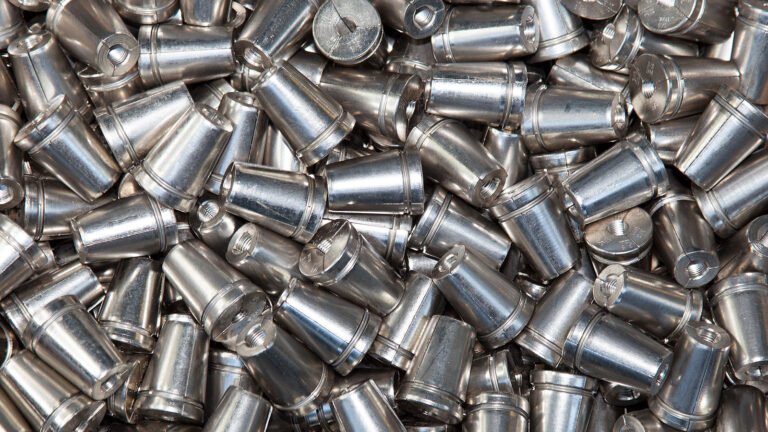
The essence of the technology lies in the powerful and safe fixation of various types of steel multi-wire strands, cables, and wires. Structurally, anchor grips for prestressed reinforcement consist of two main elements: a heavy-duty barrel and clamping wedges. The operating principle is based on the mechanical wedging of the reinforcing material inside the barrel when a pulling force is applied. These are reusable mechanisms whose working lifespan depends on the applied load and the hardness of the metal. Thanks to strict control at the manufacturing stage, including mandatory ultrasonic testing of barrels for microcracks and computer control of the wedge teeth shape, these devices withstand colossal stresses without deformation.
Practical Application: How Different Modifications Meet the Real Needs of the Workshop
Various models adapted to specific tasks are used on slipformer lines or classic casting beds. For example, the open "A" type is installed on the stressing side of the bed — these are the strongest and easiest-to-use elements that ensure zero draw-in losses when used with single-wire jacks featuring hydraulic lock-off. In turn, closed modifications of the "F" type are mounted at the dead end of the bed, which is not subjected to tension. They speed up the mounting process before pre-tensioning, completely eliminating the risk of accidental loss of internal wedges. Also, connecting couplings ("K" type) are actively used in the production process, allowing the joining of segments of the same or different diameters, significantly saving rolled metal. As a whole, such tools for joining reinforcing material completely cover all scenarios of working with steel strands.
Key Commercial and Technological Benefits of Original PAUL Products
The use of certified systems directly affects the profitability of the entire enterprise. By choosing professional anchor grips for prestressed reinforcement, a factory gets not just a consumable material, but a durable production asset.
- Outstanding wear resistance: The barrels are made of tested alloy steel, and the wedges are made of heat-treated galvanized steel, which guarantees repeated use.
- Guaranteed personnel safety: The patented design and strict computer quality control eliminate the risk of sudden breakage or cable slippage under high tension.
- Reduction of financial losses on raw materials: The use of special connecting couplings allows for the utilization of leftover steel strands, minimizing the volume of unused scrap metal.
- Optimization of working time: Thoughtful ergonomics ensure quick installation, easy removal after transferring the force to the concrete, and a maximally simplified tool cleaning procedure.
- Versatility of application: A wide range of models makes it possible to select elements for anchoring steel strands strictly according to the required loads, cable diameters, and the specifics of the casting beds.
Invest in Impeccable Quality from the Official Supplier TDM-Engineering Oy
Equipping technological lines with high-class retention mechanisms is a direct path to reducing the defect rate and increasing overall business efficiency. Original clamping mechanisms from the PAUL company, supplied by TDM-Engineering Oy, have already proven their reliability at a huge number of enterprises worldwide.
We offer not only the supply of benchmark equipment but also deep engineering expertise, precise selection of optimal modifications, and consulting support.
Do not risk the quality of your precast concrete — contact our engineers today to receive a personalized commercial offer and equip your production with proven European solutions.